Field Notes on the Next Wave of Sustainable Eating
A practical look at the emerging food innovations making low-waste, nutrient-dense eating easier to store, ship, cook, and actually enjoy.
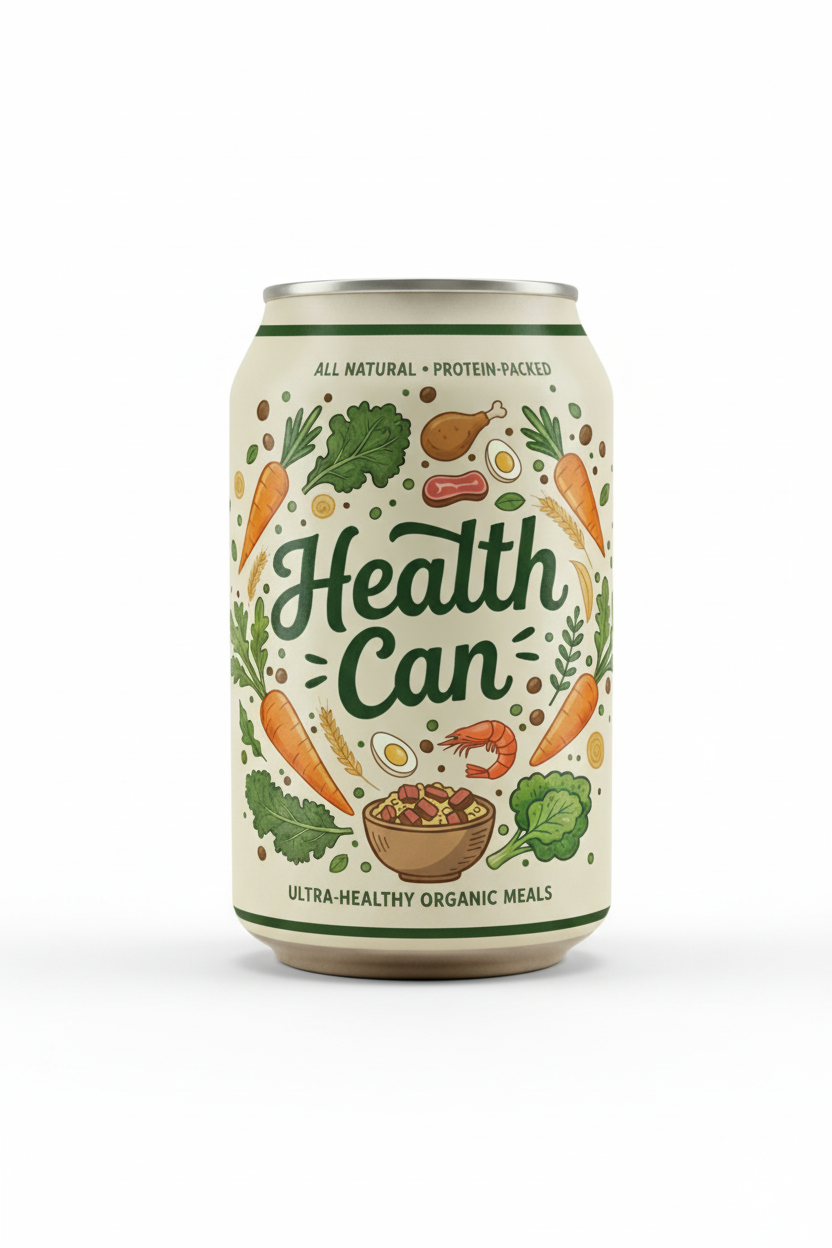
Sustainable food is getting more practical
For a long time, sustainable eating was framed like a sacrifice: fewer options, more prep, and a pantry that required constant babysitting. The interesting shift now is that food innovation is moving toward everyday usefulness. Better preservation, smarter packaging, and more resilient ingredient sourcing are making it possible for sustainable meals to be convenient without being flimsy.
That matters because the most durable eating habits are the ones people can repeat. A lower-waste meal that works after a long commute, on a camping trip, or during a power outage has a better chance of becoming normal.
Shelf stability can reduce hidden waste
Fresh food is essential, but it is also fragile. Refrigeration, short sell-by windows, and household spoilage all add waste before a meal ever reaches the plate. New approaches to shelf-stable foods are focused on keeping nutrition, texture, and flavor intact while reducing dependence on cold-chain logistics.
For Health Can, this is a central design question: how do you make organic meals that can live in a pantry, trail bag, or emergency kit without chemical preservatives? The answer is not one single trick. It is recipe design, water activity, sealing, heat process validation, and ingredients that still taste alive after storage.
Regenerative and climate-aware ingredients are becoming menu drivers
Another emerging pattern is a move from generic sustainability claims toward ingredient-level decisions. Brands are looking at crops that build soil health, proteins with lower resource intensity, and grains or legumes that are naturally dense in fiber and minerals.
This changes how menus get built. Instead of starting with a familiar dish and swapping in a greener label, product teams can start with ingredients that already carry nutrition and resilience: beans, lentils, heritage grains, sea vegetables, responsibly sourced seafood, and vegetables that hold their structure through preservation.
Packaging is becoming part of the food system
Packaging is no longer just a container at the end of the process. It affects shipping weight, storage life, recyclability, serving size, and whether people can use the food in real conditions. Cans remain interesting because they are durable, widely recyclable, and familiar to almost every pantry.
The next wave will likely be less about novelty for novelty's sake and more about accountable tradeoffs: packaging that protects the meal, earns its material footprint, and makes the product easier to use up completely.
The future is boring in the best way
The most promising sustainable eating innovations may not feel futuristic at the table. They will feel dependable. A meal that stores well, tastes good, uses thoughtful ingredients, and keeps waste low is not a science project. It is infrastructure for better daily choices.
That is the space this blog will keep exploring: what is emerging, what is actually useful, and what needs more proof before it deserves a permanent place in the pantry.